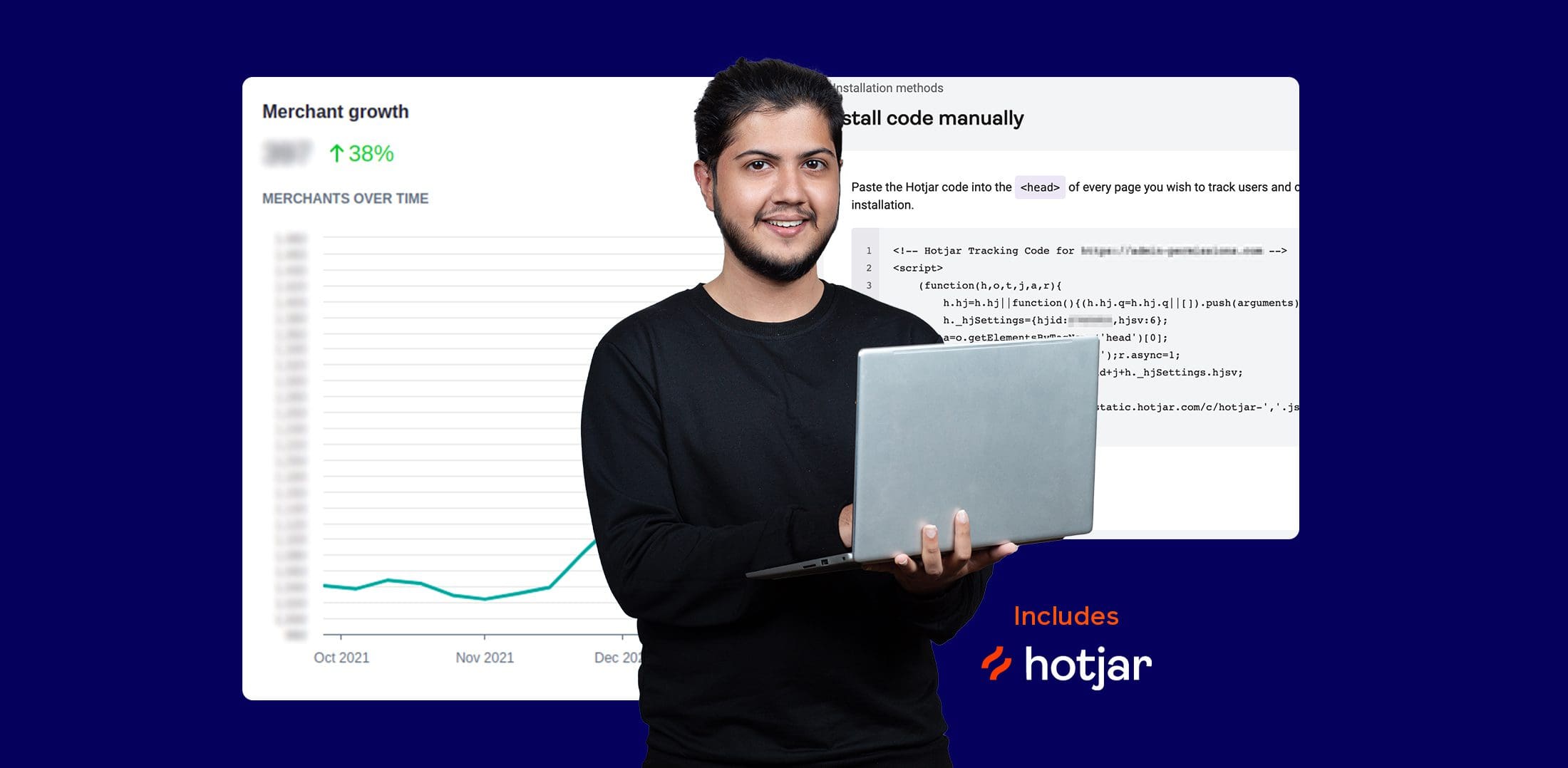

Digital companies spend a lot of time, money, and effort on creating a website. Being the focal point for prospective customers to get information and buy products or services, a website plays a vital role in company awareness, sales, and growth. But sometimes even with a well-designed website, performance may not live up to estimations.
But why? Digital companies do their homework before launching their website, so, shouldn’t it perform as expected? This was a problem that our sister concern, Digital Product Labs (DPL), also faced with their Shopify solution - Etsy Integration & Sync.
Read on for the major pointers from Digital Marketer, Darpan Chapagain. In the recent hour-long KSS workshop, he explained how using Hotjar leveled up DPL product’s website.
Low-performing websites
There may be 1001 reasons why your website is not performing well. However, if you have allocated adequate resources to building and maintaining your website, then it is easier to narrow down your website’s low performance.
Now, look at the points below. Do you face similar problems on your website?
- No clarity of user activity/behavior.
- You see there are bugs and issues but can’t seem to find them.
- Hard time finding ideas to add new features.
Most of the problems revolve around an unmissable factor – users. If your website is not made for users, then your users will be less likely to convert. You may have followed all concepts of user-friendly design but at the end of the day, users decide if your website meets their expectations and needs.
This is where Hotjar can help.
User-validated design
Hotjar allows digital marketers, UI/UX designers, or any product or strategic owner to analyze why your users are behaving the way they do on your website. They have four major features that allow you to improve your website validated by your users!
- Heatmaps
- Feedback
- Recordings
- Surveys
Like how it helped Darpan and his colleagues at DPL, Hotjar can help you too. The expansive tool allows any strategic and project owners to,
- Understand why a client/customer may have stopped using a company product/service.
- Avoid reaching deadlock on app improvement.
- Know client reactions to a new feature release.
Hotjar provides the development team with invaluable insights into website usage, eliminating the guessing game as to why a website is performing poorly. The analysis of user behavior allows for the possibility of creating a website that is actually friendly for your target audience, i.e. user-validated design.
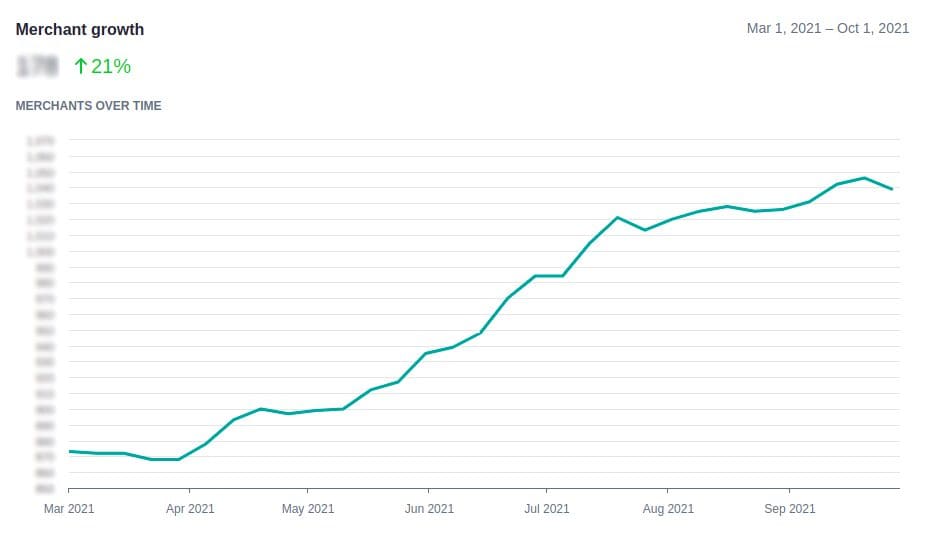
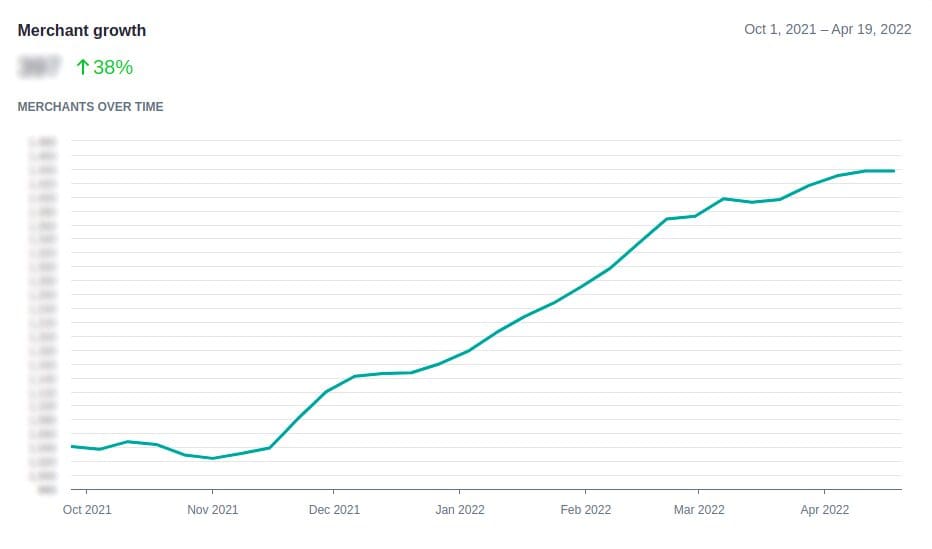
After seeing the tangible results brought forth by using Hotjar, it was certain that the DPL team would continue using the tool. Currently, they use the ‘heatmaps and behavior analytics tools’ for,
- Daily user activity analysis
- Daily user uninstallation analysis to identify bugs and issues
- Analysis of user activity to identify possible new features
- To see user activity towards newly released features.
Setting up Hotjar
First and foremost, you need to make sure your website is compatible with Hotjar. While it is compatible with most of the major platforms, platforms that do not support custom third-party Javascript will not be able to install Hotjar. These include names like Dribble, Google Sites, Amazon Seller Pages, and GoDaddy GoCentral among others.
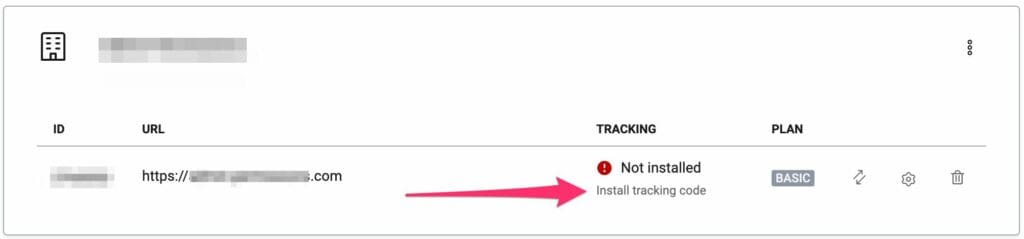
If your website’s platform is compatible with Hotjar, follow the following steps.
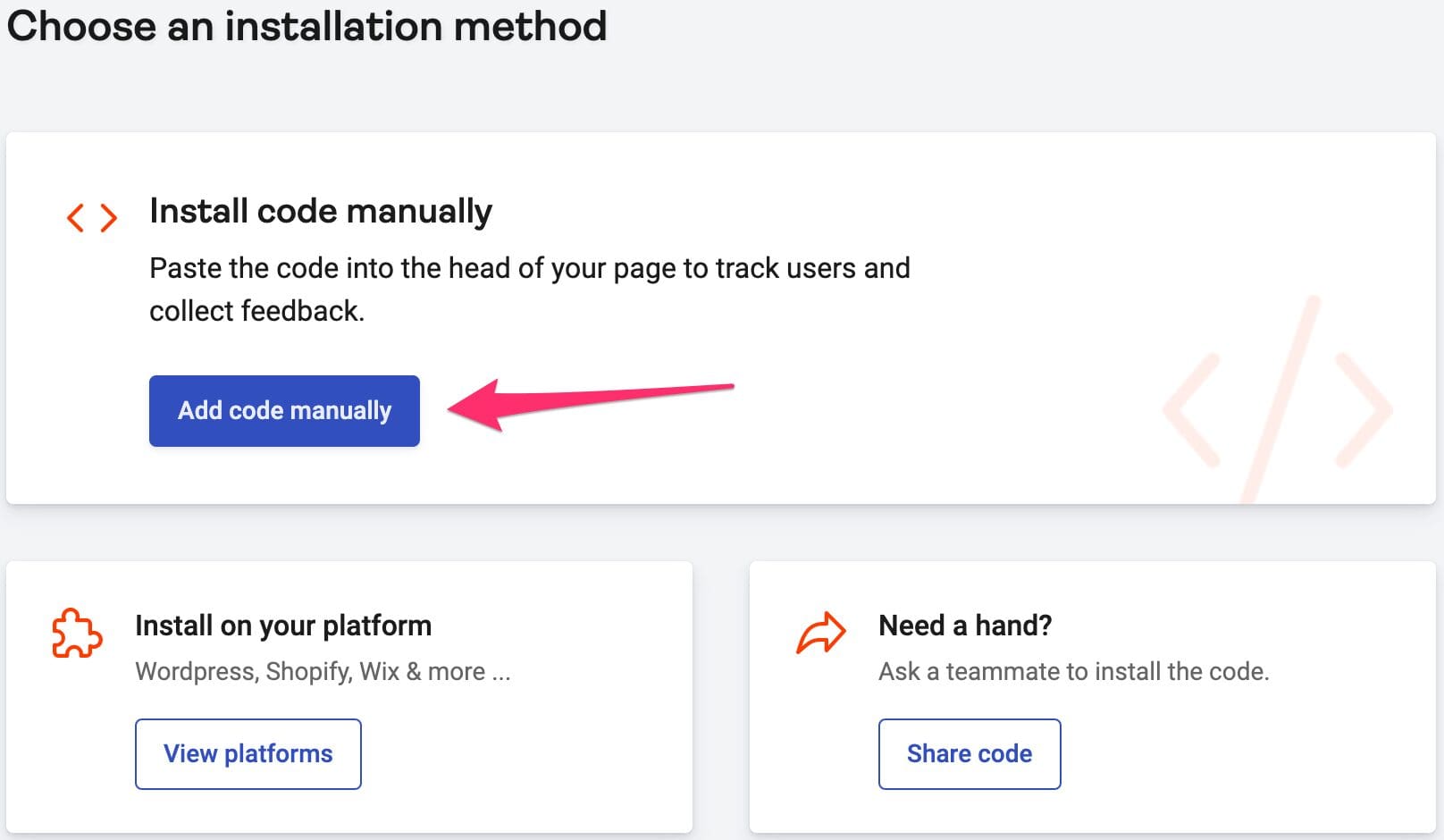
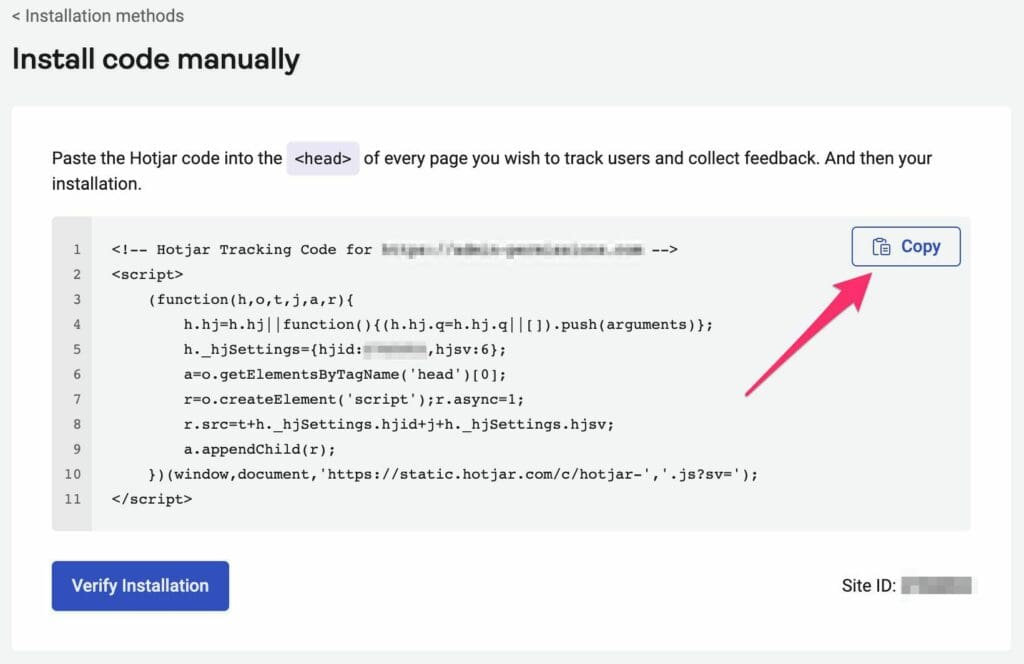
During his one-hour workshop, Darpan also showcased Hotjar’s various features to demonstrate how it works and how it can help the workshop's participants.
You too can see Hotjar’s features in action, including the insightful Q&A interaction, on the full knowledge-sharing session's recording.


“IT students can do valuable internships at our company. During three months we give them real projects, and make them ready for their next challenge. I really believe that they can build our country.”
Roshan Bhattarai is co-founder and CTO of IT company Proshore in Kathmandu. He sees big opportunities for IT companies in Nepal, if only they give big opportunities to IT students. Like he does at Proshore: “We offer IT students a nice working environment and give them a task and a timeline, they can choose their own time to work. In the office, we provide free breakfast and lunch from our own kitchen and they can play table tennis and games. But the focus is really on learning to grow.”
How can IT students build the country?
“Nepal can become a big IT hub, if only things were better organized. There is no national IT policy and there are a lot of practical problems, for instance you cannot use the national credit card to log in. The export of software could also be interesting for our country: There is enough manpower, but education and business should be working together better. If you are a foreigner and want to invest in an IT company in Nepal, you have to invest a lot of money.”
“It is important for Nepal to create jobs, we are leaning too much on India. We import three to four times more than we export! I think that the biggest opportunity is in creating IT jobs so IT students don’t have to go abroad to earn money. At the moment, a lot of young Nepalese are working in other countries, which is a pity. The government should turn this around.”
How has Proshore contributed to the Nepalese IT sector?
“In IT, you need to have a good strategy and talent. We started with five people, now we have more than 60. We have grown from building websites to developing apps, for mobile but also desktops. At the moment we try to enter open source communities and think of ideas to develop further.”
“Right now Nepal needs to focus, there are no big IT companies. The people who are studying here shouldn’t look at higher grades, they should focus on developing skills. The internet is here, so you can start making money. But in Nepal, parents pay for education so students become lazy. They should recognize that if they develop a skill, they can support themselves. In this way, they can close the gap between education and business.”
“I went to college recently myself and I am now thinking a lot about how Nepalese IT can be improved, the gap between college and practice is huge. We try to work with schools to make them ready for business, but of course we can also spot talent there.”
“Students do not have a degree to work at Proshore, we look at skills. Degrees are less and less important. We value students for what they have to offer.”