Industry 4.0 Is the Aspiration. Fragmented Manufacturing Data Is the Constraint.
Only end-to-end manufacturing digitalization enables data to operate as a single system across factories and operations.
Where Operational Reality Outpaces Existing Systems
Existing structures reduce the industry’s ability to adjust.
Industry Constraint
Impact on Manufacturing Systems

Where manual workarounds delayed decisions, these capabilities simplify execution. Supporting better decision-making across connected manufacturing activities.



Where Systems Demand Evolution
Digital advancement in manufacturing is context-specific. Sustainable change begins with assessing current capabilities.



Where Impact Compounds
Logistics system needs vary based on operational complexity and scale. System digitalization influences these Logistics segments more significantly.
Audit-ready environmental data pipelines for high-intensity sustainability reporting.
Digital compliance backbone built for rigorous audits of welfare, safety, and exports.
Scalable engineering and systems support enabling advanced automation-led growth.
Controlled production and compliance data foundations supporting regulated, safety-critical manufacturing operations.
Data traceability supporting quality control and regulatory compliance at scale.
Consolidated production and sourcing information for multi-country coordination and audits.
Strengthening Digital
Foundations Across Manufacturing





Where Our Work Creates Visible Change
When systems improve, the entire organization feels the shift. These stories highlight the kind of progress manufacturing teams experience.
De Heus
De Heus
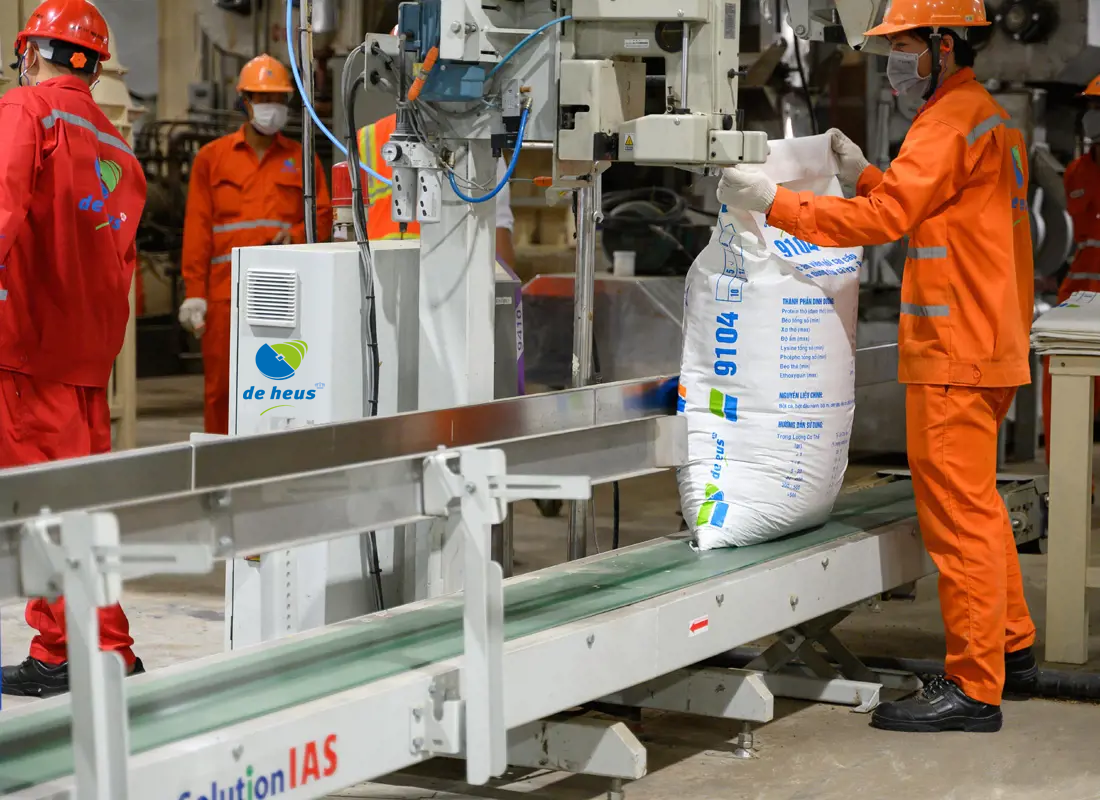
Since 2018, Proshore has supported De Heus in replacing spreadsheet-driven operational workflows with scalable, cloud-based systems integrated across business units.


Udea
Udea
Across a ten-year collaboration, Proshore transformed Udea’s manual order-to-ERP processes into structured digital data flows.


How We Work with Manufacturing Companies
We start with a short founder call to understand your manufacturing business. From there, the next steps are worked through together.

FAQ
Because systems must operate inside live production environments, the work requires stabilizing data, controls, and integration without disrupting uptime, safety, or quality.
Yes. Most manufacturing companies we work with have small IT teams. Our engineers join your project and work alongside your people to solve the problem at hand.
By designing data structures around traceability, audit readiness, and controlled change, reporting remains consistent as requirements expand.
No. Value is created by connecting machines, execution systems, and enterprise platforms so existing investments work together.
Early gains emerge from cleaner data, reduced manual effort, and clearer operational visibility, followed by phased improvements aligned with production realities.